


Why Pennsylvania Asset Negotiations Fail & How Regional Knowledge Prevents Costly Mistakes
7
Minutes
Written by
Tim Jackson
Pennsylvania isn't one market. It's six.
Use the same negotiation approach in Northwestern PA that you'd use in Allegheny County, and your signing rates will differ dramatically. Miss the water protection concerns in Northern PA while focusing on economic provisions that matter in Northeastern PA, and you'll lose deals before you start.
Oil and gas asset negotiations in Pennsylvania change drastically depending on project location. Historical impacts, population density, and local land usage create distinct zones with different expectations, concerns, and negotiation dynamics.
You need to tailor your team and expectations to each zone. While negotiations vary from owner to owner, we’ve identified general trends that can make or break your project.
You need to tailor your team and expectations to each zone. While negotiations vary from owner to owner, we’ve identified general trends that can make or break your project.
Understanding the Challenge: Pennsylvania's Six Distinct Negotiation Zones
Before you send a single agent into the field, you need to know what you're walking into. Pennsylvania breaks down into six zones with different characteristics that directly impact your acquisition success.
The considerations that change by zone include:
- The perception of different types of acquisition agents in different areas
- Local concerns and addendum clauses that address them
- Average tract size
- Availability of local landmen
- Expectations for signing rates
- Local attorneys
Get these wrong, and you're looking at slow signing rates, missed opportunities, and frustrated clients who expected faster results.
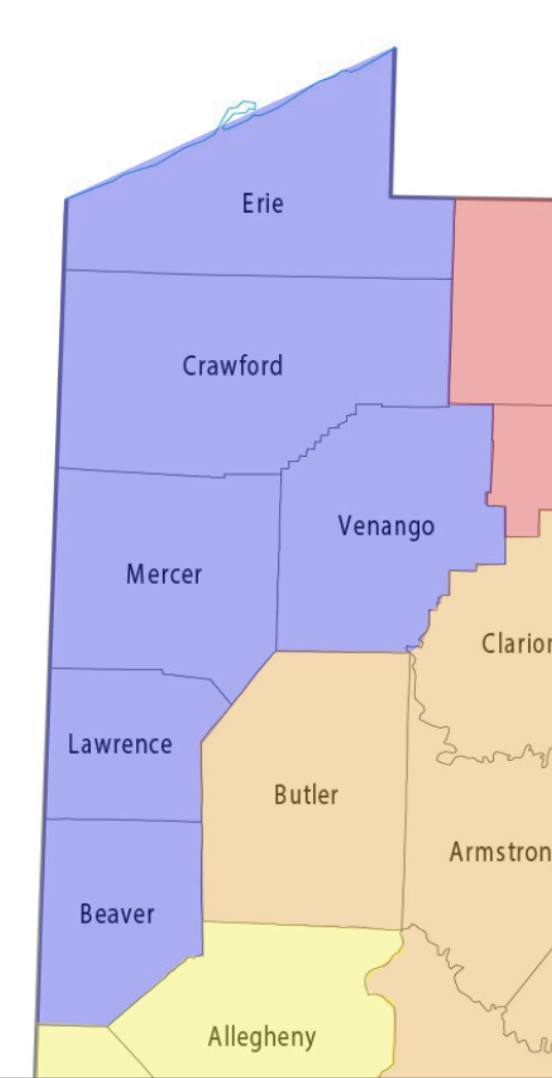
Zone 1: Northwestern PA (Erie, Mercer, Beaver Counties)
- Oil and gas acquisition agents are generally well-received in this area. There is no stigma in relation to energy negotiations from perceived past exploitation.
- There is no set of generally requested addendum clauses. One size does not fit all due to varying owner concerns.
- Tract sizes are often average-sized farms ranging from 5-20 acres, with smaller parcels near towns.
- Local landmen are usually present in this area, being more prevalent in the southern portion of this zone and becoming more scarce as you travel northward.
- Sign rates in this region are usually high due to lack of competition.
- Local attorneys are somewhat knowledgeable regarding energy negotiations from recent exploration/production activity here.
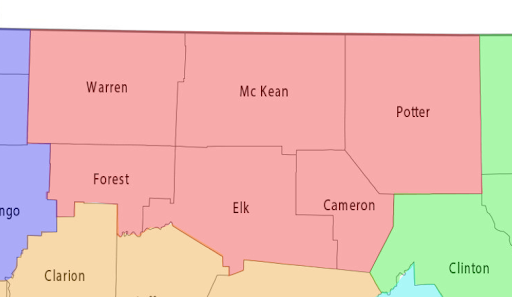
Zone 2: Northern PA (Warren, Elk, Potter Counties)
- Owners in this area generally have no general perception in relation to negotiations agents due to historic production being isolated to certain pockets.
- This is a very rural zone. Many times owners will be concerned with surface protections related to water and trees.
- Tract sizes are generally average to large as population density is very sparse here.
- There are virtually no local landmen here.
- Signing rates are usually on the slow side due to owners being unfamiliar with energy production and hesitant to jump in without doing their research.
- It can be difficult to find dedicated oil and gas attorneys who are familiar with energy negotiations.
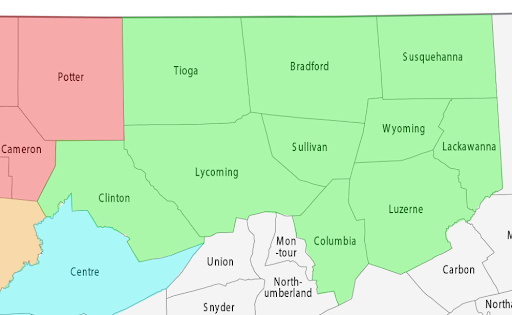
Zone 3: Northeastern PA (Tioga, Sullivan, Lackawanna Counties)
- Owners in this region are often familiar with acquisition agents approaching them due to heavy historic dry gas production, especially in the northern areas. Because of this, owners are not typically hesitant when engaging with landmen.
- Provision requests trend towards economic concerns because of heavy targeting or Marcellus shale. Think pugh clauses, lower term lengths, higher consideration amounts, etc.
- Tract sizes vary widely here.
- There are usually local landmen around town and city centers, but their rates have been declining steadily, and they are harder to locate now.
- Signing rates are usually higher in this area as long as the initial offer is fair. Coming in with a low offer can drastically reduce rates.
- There are many local attorneys here who are familiar with energy production and are well-acquainted with what requests are reasonable.
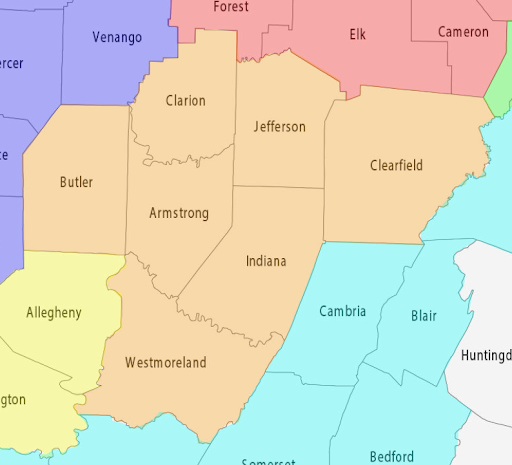
Zone 4: Western PA (Buttler, Armstrong, Clearfield Counties)
- Public perceptions of energy representatives can be negative in this zone due to older vertical oil and gas production. Many times, oil and gas from all production horizons is HBP'd from these small vertical wells. While those tracts obviously wouldn't be targets, word can spread about owners losing out on production from larger Marcellus wells due to this.
- Owners often request a "Free Gas" clause which is common with older vertical wells, but proves challenging with the high pressures of Marcellus production.
- There are mostly mid-sized farms with a few large farms.
- Local landmen are much easier to find in the southern portion of this zone as opposed to the northern portions.
- Signing rates are generally average here. It's possible to take a few leases per landman per week.
- Local attorneys are more common in southern and western portions of this zone.
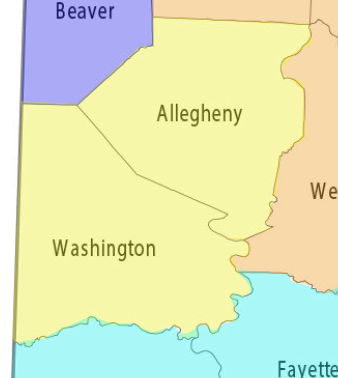
Zone 5: Allegheny and Washington
- With Washington County being one of the focal production points in the early days of the Marcellus, many landowners are familiar with energy acquisition agents, who are generally regarded well.
- Due to this area being of interest since the beginning of Marcellus Shale exploration, owners here are typically well-educated with standard provisions of oil and gas leases.
- Average tract size is usually very small, becoming a bit larger as you move southward in Washington.
- This zone has the highest numbers of local landmen available.
- Signing rates are usually slow to average here. Many engage local attorneys and competition for lease acquisition is high.
- There are many local attorneys, many of whom deal specifically with energy-related matters.
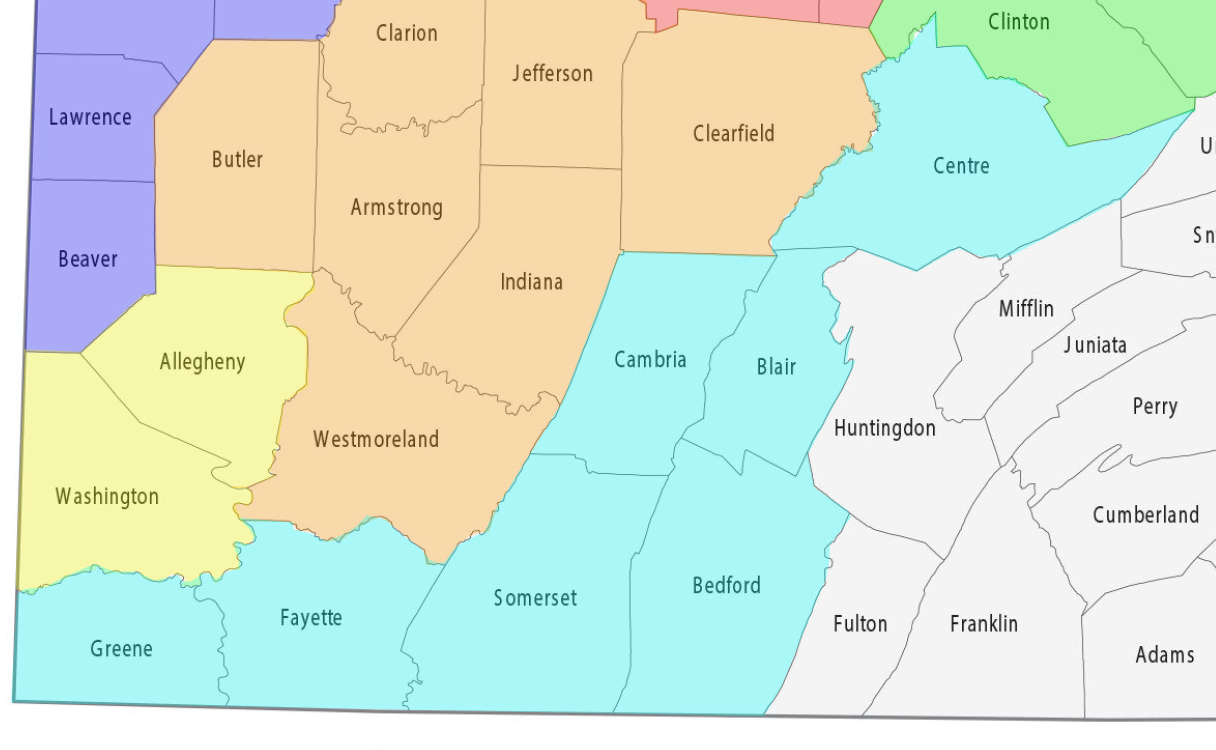
Zone 6: Southern and Central PA (Greene, Somerset, Blair Counties)
- There's been limited historic oil and gas production here, but vast amounts of coal production. It can be difficult to set meetings with these rural landowners because they like to keep to themselves. Utilizing local landmen is one way to overcome these perceptions.
- Local concerns focus on water protections, as many people here rely on well water as their home water source.
- Tract sizes can run from average to larger due to somewhat sparse populations.
- Local landmen can be difficult to find here, especially in the eastern areas.
- Signing rates can be slow side due to owners being wary of outsiders.
- Local attorneys with energy experience can be hard to find here.
The Dudley Approach: Zone-Specific Expertise Applied
A one-size-fits-all approach simply does not fit for Pennsylvania land owners. Understanding that isn't theoretical knowledge. It's what determines whether your project timeline holds or falls apart.
A one-size-fits-all approach simply does not fit for Pennsylvania land owners. Understanding that isn't theoretical knowledge. It's what determines whether your project timeline holds or falls apart.
Regional Intelligence in Practice
Actionable expertise means understanding that Northwestern PA's low competition enables different expectations than Allegheny's attorney-heavy environment. It means knowing that fair initial offers work in Northeastern PA where owners are educated and familiar with standard lease provisions, while Northwestern PA's lower competition creates different dynamics.
Regional expertise means anticipating what will matter to a landowner in the area, and tailoring your negotiation strategy and timeline accordingly.
Regional expertise means anticipating what will matter to a landowner in the area, and tailoring your negotiation strategy and timeline accordingly.
Staffing Based on Zone Characteristics
With the largest network of certified local landmen nationwide, we leverage local relationships where they exist and deploy experienced agents where local resources are scarce.
In Allegheny and Washington where local landmen are abundant and attorney involvement is the highest in the state, those local connections matter. In Northern PA where local landmen are virtually non-existent and owners are wary of outsiders, experienced agents who know how to build trust with rural landowners make the difference.
Attorney Considerations by Zone
Decades of Pennsylvania experience means understanding where attorney involvement impacts timelines and where energy-experienced counsel is scarce.
In Northeastern PA and Allegheny where many local attorneys are familiar with energy production and well-acquainted with reasonable requests, attorney involvement is expected. In Northern PA and Southern PA where dedicated oil and gas attorneys familiar with energy negotiations can be difficult to find, bringing the right counsel matters.
What Zone Intelligence Means for Your Pennsylvania Projects
Understanding each zone's specific dynamics means getting your offers approved faster, assembling the acreage you need, and moving your project forward without the delays that come from misreading regional expectations.
When you're assembling acreage across multiple Pennsylvania zones, regional knowledge determines whether your project moves forward on time and budget or gets stuck because of foreseeable challenges. Understanding each zone's specific dynamics means getting your offers approved faster, assembling the acreage you need, and moving your project forward without the delays that come from misreading regional expectations.
The zone intelligence in this case study isn't theory. It's what actually happens in the field across Pennsylvania's six distinct negotiation markets.
Pennsylvania projects require Pennsylvania expertise.
Dudley’s zone-specific approach delivers realistic timelines and successful negotiations across all six Pennsylvania markets. If you're working in Pennsylvania, let's discuss how our regional expertise can protect your project.
